
1976 Canadian-Montreal Olympic Sterling Silver PROOF Set Series II, 4.336 ozt Ag
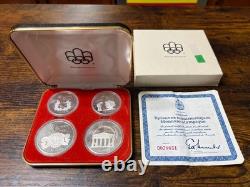
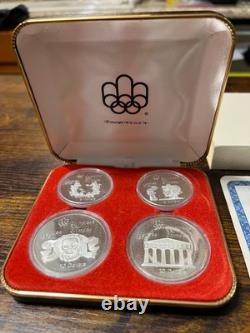
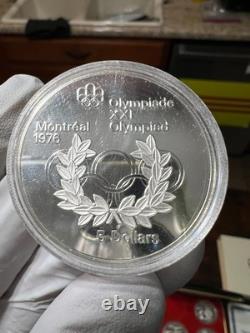
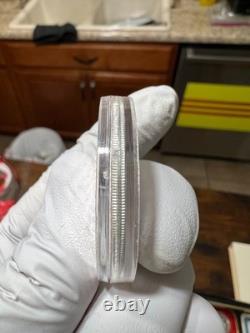
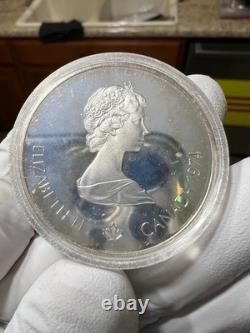
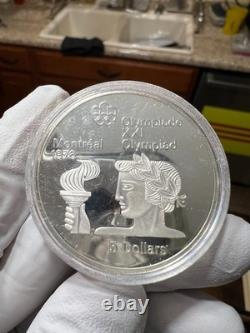
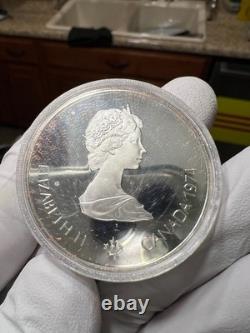
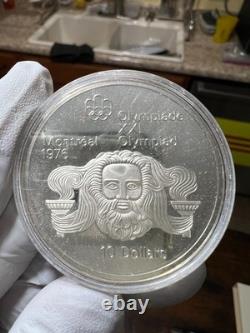
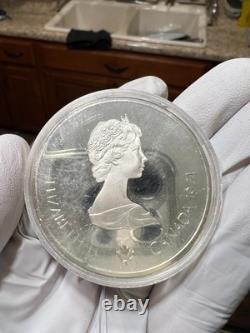
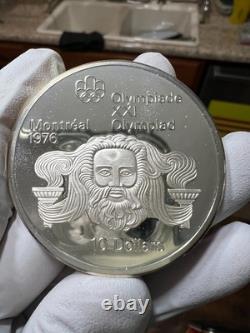
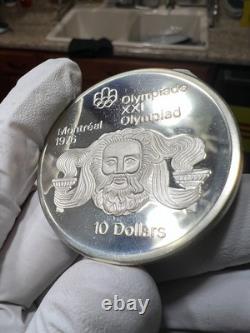
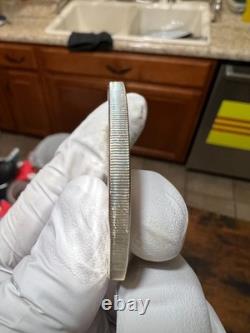
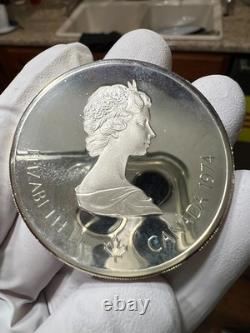
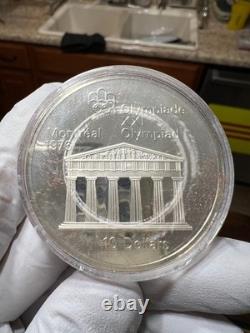
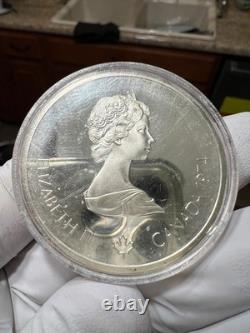
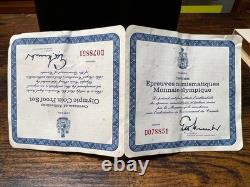
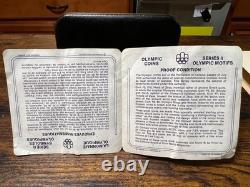
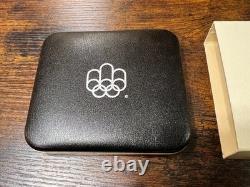
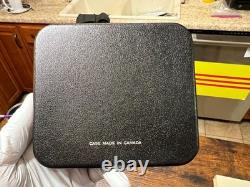
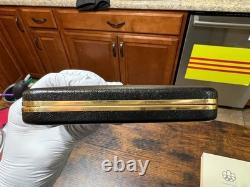
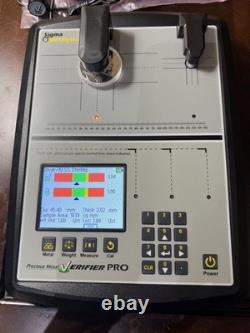
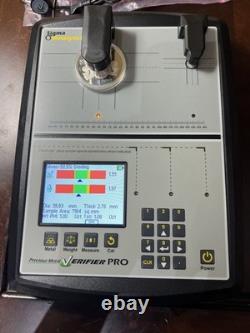
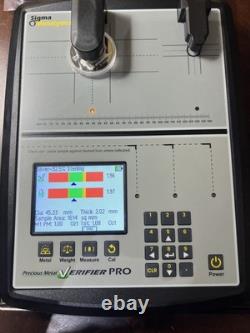
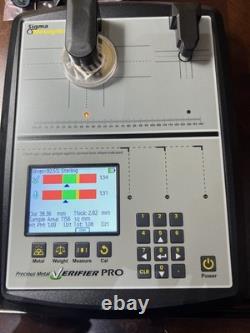

1976 Canadian-Montreal Olympic Sterling Silver PROOF Set Series II. With COAs and OGPs, totaling 4.336 ozt pure silver. 1.4453 ozt pure silver. 0.7227 ozt pure silver. Some silver coin capsules are air-tight and too hard too open.
So I have not opened them for photography. All metals are sourced from trustworthy sellers and have passed my rigorous authentication through several steps in the following order whenever appropriate. Ping test passed by iphone APP StackerTools.
This is an overly rigorous test which sometimes fails a legitimate piece of silver in an odd shape or heavy toning. And/or the test of Sigma Metalytics Precious Metal Verifier PMV PRO with Refiners Wand, Small Wand, Large Wand and Bridge (Model #2701). This device tests the resistivity and density of metals. It cannot tell you what a piece of metal is.
It can only tries to tell you if that piece fits what you think it is. You have to have a rough idea what the piece can be. It is one of the best ways to test authenticity in general, but it cannot replace other kinds of testing, and is not always the right/best way of testing (NOT infallible, and limited in the testable range of metals). In rare cases, a fake piece of metal can have similar resistivity and density of a real piece thus fooling Sigma. A genuine metal piece may fail Sigma test because of its extreme size, lack of flat surface, toning, and other interferences such as assay card with authentication technology.
For example, a genuine PAMP 1 gram Fortuna Gold Bar fails the test of Sigma PMV Pro with all accessories due to its extremely small size and the interference of its Veriscan Assay Card. This device cannot test silver with a purity lower than 83.3%. For example, 40% silver Kennedy Half Dollar cannot be tested by Sigma, but can be tested by ping test through StackerTools. Thus, my multi-step hybrid authenticity test is superior than only using Sigma, and is the best practice given my resources.There are other even more expensive tests - XRF can outright tell you the exact metal composition of the surface of a piece of object, which Sigma cannot do. But the penetration of XRF is shallower than that of Sigma.